Resin Driveway Colours in Lincoln: Choosing the Right Aggregate for Your Home
Choosing a resin driveway colour in Lincoln is a more consequential decision than people often expect when they're focused on pricing and installation dates. The aggregate - the stone that gives the driveway its colour and texture - will be the most visible surface at the front of your property for the next 15-25 years. Getting to the installation day and deciding it's not what you expected is a frustration that's entirely avoidable with a bit more thought at the selection stage.
How the Aggregate Determines the Look
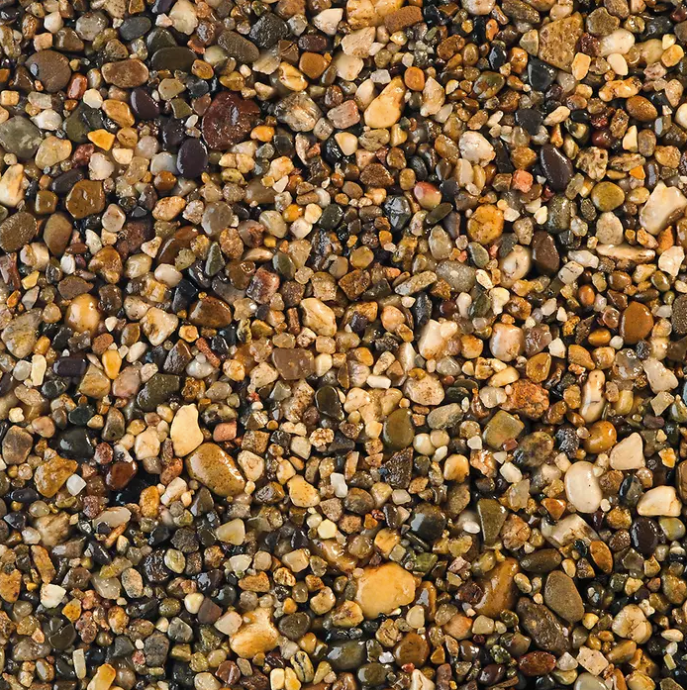
A resin-bound driveway uses natural stone aggregate mixed through a clear UV-stable polyurethane resin. The resin is colourless, so the colour you see is the colour of the stone - not a paint or coating. This is why a good resin driveway looks more natural than painted concrete or coloured block paving: the depth of colour comes from real stone with natural variation within it.
The aggregate itself comes in several particle sizes - typically 1-3mm, 2-5mm, or 3-6mm. Finer aggregates produce a smoother, more refined surface. Coarser aggregates have more texture and a more informal character. Most residential driveways in Lincoln use a 2-5mm aggregate, which strikes a balance between texture and smoothness that suits a wide range of property styles.
The Main Colour Families
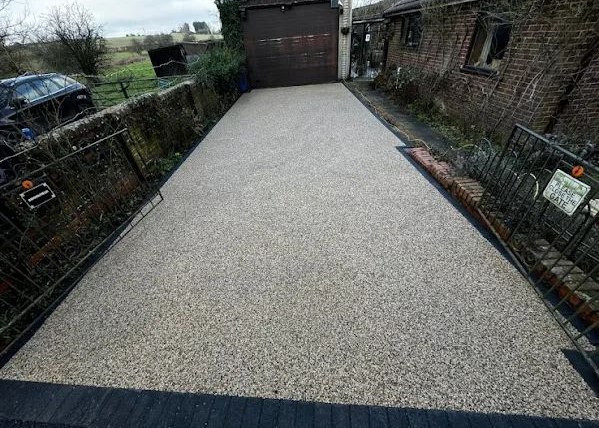
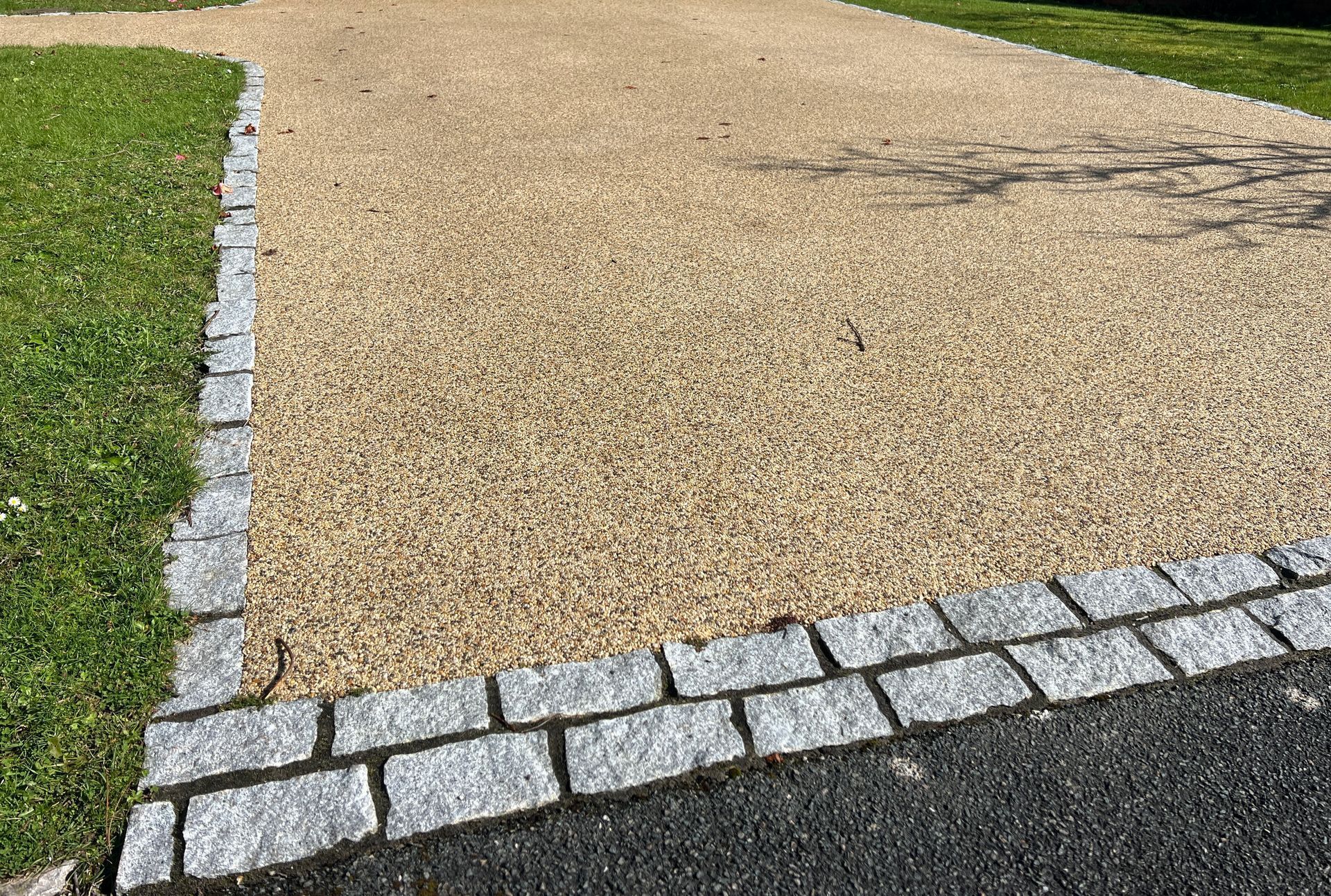
Buff and golden. The most widely used choice for Lincoln driveways, and a natural fit for the stone and brick housing that dominates the city's older streets and villages. Buff tones complement the warm sandstone and limestone of older Lincoln buildings particularly well. They're also forgiving in a practical sense - they hide tyre marks and general dirt better than lighter options in the damp East Midlands climate.
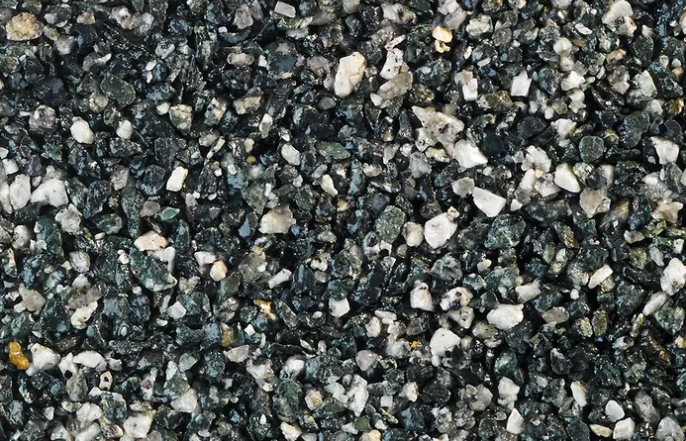
Grey and slate tones. Contemporary in feel and increasingly popular for modern or rendered properties, and in newer developments on Lincoln's outskirts. Light grey can look very clean and sharp but requires more frequent cleaning to stay looking that way - algae and traffic film show more visibly on pale surfaces. Darker charcoal or slate grey is more forgiving and works well for properties where a stronger contrast with the building is the aim.
Red and terracotta. Less common but effective on certain property types - older brick-fronted Lincoln houses in particular, where a terracotta-toned aggregate picks up the red in the brickwork. Worth requesting a sample panel in natural light before committing, as terracotta aggregates vary considerably in how warm or muted they read.
Mixed and blended. Many installations use two or three aggregates mixed to create a more complex, natural appearance. A mix of buff and grey, or buff and golden brown, gives depth that a single colour can't. Blends also hide localised wear and uneven weathering better over time than a uniform colour.
Seeing It Before Committing
The most common colour-related disappointment is choosing from a small sample card and finding the full driveway reads differently than expected - either lighter or darker, warmer or cooler. Resin Driveways Lincoln can lay a test panel using the actual specified aggregate before installation starts. This takes a small amount of time and is well worth requesting.
Natural daylight also makes a significant difference to how aggregate colours read - a sample that looks one thing under showroom or office lighting may look quite different in the overcast daylight typical of Lincoln in autumn and winter.
We've covered resin driveway lifespan in Lincoln elsewhere, and colour choice interacts with maintenance: lighter colours require more frequent pressure washing to stay looking their best, which is relevant to the long-term ownership picture.
FAQ
Q: What's the most popular resin driveway colour in Lincoln?
Buff and golden tones are the most popular choice in Lincoln, complementing the sandstone and brick that's common in the city's older housing. They're also practical for the East Midlands climate - less obvious algae and tyre marking than lighter colours.
Q: What aggregate size is best for a residential driveway in Lincoln?
A 2-5mm aggregate is the most common choice for residential driveways - it produces a texture that's comfortable underfoot, suits most property styles, and is practical for vehicle use. Finer aggregates (1-3mm) give a smoother finish; coarser options (3-6mm) have more character but are less refined.
Q: Can I change the colour of my resin driveway after installation?
No - the aggregate colour is permanently set into the resin. There's no coating or surface treatment that changes the base colour. Getting the colour right before installation is the only reliable approach.
Q: How do I see what a colour will look like on my actual driveway?
Request a sample panel laid with the actual specified aggregate in your specific lighting conditions. A test panel of even 0.5 square metres gives a much more reliable impression than a small card sample, particularly for borderline colour decisions.
You might also like
Resin Driveways Lincoln