How Long Does a Resin Driveway Last in Lincoln? What Affects Lifespan and When to Think About Replacement
The question of how long a resin driveway lasts doesn't have one clean answer because the honest answer is: it depends. A properly installed resin-bound system on a correctly prepared sub-base, using quality materials, and maintained reasonably well, should last 15 to 25 years in normal use - and some installations exceed that. A poorly installed one on a weak sub-base, or one that's been neglected or subjected to regular heavy vehicle use it wasn't designed for, might show significant wear in under a decade.
Lincoln's climate is relevant here. The region sees cold winters with frost, and freeze-thaw cycles over many years put more stress on outdoor surfaces than comparable wear in a milder climate. That's not unique to Lincoln - it applies across the Midlands and north - but it means that a resin driveway in this area benefits more than most from a solid sub-base installation.
What Determines Lifespan
Sub-base quality. This is the single biggest factor in how long a resin driveway lasts. The resin-bound surface layer is typically only 15-18mm thick - it's the sub-base beneath (usually compacted MOT Type 1 stone, often with a concrete or tarmac binder course above) that provides the structural stability. If the sub-base is inadequate, the surface above it will follow - cracking and sinking where the base moves.
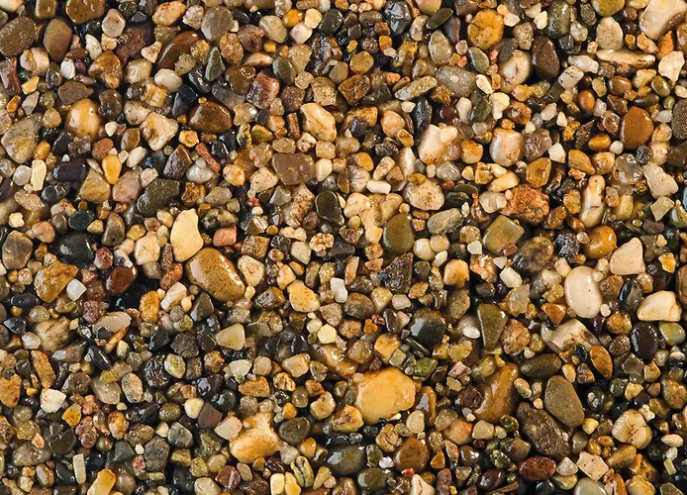
Material quality. Resin-bound driveways use either polyurethane resin or epoxy resin as the binder. UV-stable polyurethane is the current standard for exterior use in the UK and resists the colour fading that occurs with non-UV-stable resins. The aggregate quality (the size, grade, and type of stone) also affects durability.
Traffic loading. A driveway that regularly takes a heavy van or small lorry is under more stress than one used by a family car. Most residential resin driveways are designed for car use - if your loading is heavier than average, this is worth mentioning at the quoting stage.
Maintenance. Regular cleaning (pressure washing once or twice a year) prevents the surface degradation that comes from compacted organic matter, moss, and algae. A well-maintained surface will outlast a neglected one of the same installation quality.
What Shortens Lifespan
Beyond the factors above, a few specific things are worth avoiding:
- Rock salt. Using rock salt for de-icing damages the resin binder over time. Sharp sand or a salt-free de-icer is a better choice.
- Petrol, oil, and solvents. Spills from vehicles or gardening equipment should be cleaned up quickly - these can soften or damage the resin.
- Concentrated pressure washing. A pencil-jet nozzle at very high pressure can dislodge aggregate. Fan nozzle at moderate pressure is better.
Signs That Replacement Is Getting Close
Resin Driveways Lincoln assesses existing driveways regularly and the indicators that a surface is getting towards the end of its useful life are generally clear:
- Widespread cracking or crazing of the surface
- Areas where the aggregate is loose or coming away
- Sections that have sunk or are sitting visibly lower than the rest
- Significant and widespread colour fading
Localised damage - a small cracked area, a section near a drain that's deteriorated - can often be repaired rather than requiring full replacement. Widespread issues across the whole surface usually mean replacement is the more practical option.
We've covered planning permission and drainage considerations for resin driveways in Newark , and the same principles apply across Lincoln - the permeable nature of a resin-bound system is one of the reasons it tends to be the right choice for front driveways specifically.
FAQ
Q: How long do resin driveways typically last in Lincoln?
A properly installed resin-bound driveway on a good sub-base should last 15-25 years or more in Lincoln's climate. The key variables are sub-base quality, material specification, and maintenance.
Q: Does freezing weather shorten a resin driveway's lifespan?
Repeated freeze-thaw cycles do put more stress on outdoor surfaces than a milder climate would, but a resin driveway on a correctly prepared sub-base handles this well. The main risk is if the sub-base is inadequate and allows movement during freeze-thaw, which stresses the surface above.
Q: Can a damaged resin driveway be repaired rather than replaced?
Localised damage - a cracked section, a small area where aggregate has come loose - can usually be repaired. Widespread deterioration across the whole surface generally makes full replacement more cost-effective than ongoing piecemeal repairs.
Q: What's the best way to maintain a resin driveway in Lincoln?
Clean it once or twice a year with a pressure washer at moderate pressure using a fan nozzle. Avoid rock salt for de-icing, clean oil spills promptly, and keep edges tidy to prevent weed growth around the perimeter.
You might also like
Resin Driveways Lincoln