Resin Patios and Garden Paths in Lincoln: Costs and Design Options
Most people in Lincoln meet resin surfacing on a driveway first, but patios and garden paths are where it's growing fastest - garden landscaping now accounts for roughly a third of new resin installations nationally, up from a niche sideline a decade ago. The appeal is easy to see. A resin bound patio costs £40-£70 per m², drains rainwater straight through instead of puddling, never grows weeds between joints, and comes in 30-plus natural stone blends. On Lincoln's heavy clay soils, where a badly drained patio turns into a skating rink of algae by November, that permeability is worth more than it sounds. This guide covers what resin patios and paths cost in Lincoln, the design options that work with local housing, and the ground preparation that makes the difference between a 20-year surface and a 3-year disappointment.
Why Resin Works for Lincoln Gardens
Lincoln's garden problem is water. Much of the city sits on clay - the same shrink-swell clay that causes driveway trouble - and clay drains slowly. A conventional slab patio on clay collects standing water, and standing water in a Lincolnshire winter means algae, frost damage to pointing, and green slippery corners by Christmas. Resin bound surfacing sidesteps the whole issue: rainwater passes between the aggregate at a rate of around 850 litres per m² per minute, far beyond anything the sky can deliver, and soaks away through the permeable base beneath.
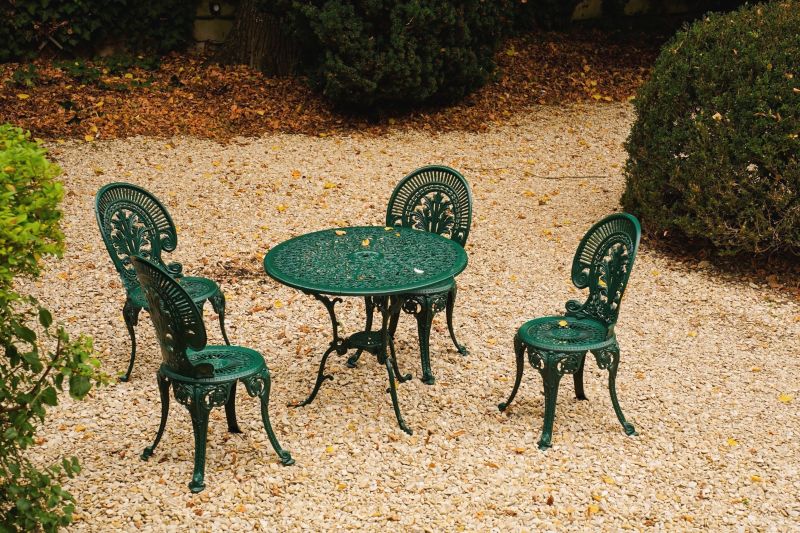
The look is the other half of the case. Roughly 90% of a resin bound surface is natural stone, so a patio in a buff or golden blend reads as gravel that never scatters - it suits Lincoln's Victorian terraces uphill and the newer estates around North Hykeham and Birchwood equally well. There are no joints to weed and no pointing to fail, which is what kills most slab patios within 10-15 years.
If you're weighing up a garden project, Resin Driveways Lincoln installs resin patios and paths across Lincoln and the surrounding villages and can assess your garden's drainage before quoting.
What Resin Patios and Paths Cost in Lincoln
Resin bound surfacing prices at £40-£70 per m² installed, the same band as driveways - but garden jobs are usually smaller, so minimum charges matter more. Most installers have a floor of around £800-£1,000 per job to cover crew and equipment, which means a tiny path can cost nearly as much as a modest one.
Typical Lincoln price bands
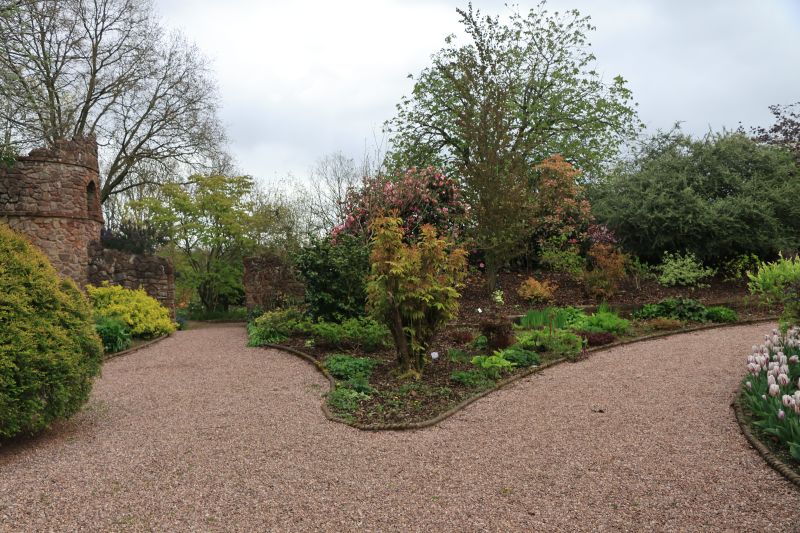
Garden path, 1m wide × 10m: £500 - £1,000, subject to minimum charges.
Small patio, 10-15m²: £900 - £1,600 on a sound existing base.
Standard patio, 15-25m²: £1,200 - £2,400.
Large patio or full garden scheme, 25-40m²: £1,800 - £3,500, or £2,500 - £4,500 where a new sub-base is needed.
Two Lincoln-specific factors push quotes up or down by 10-20%. Access is the big one - terraced streets uphill often mean barrowing material through the house or down a shared passage, which adds labour time. And ground condition: if your existing patio has heaved on the clay, it comes up and a new base goes in, adding £700-£1,200 to a typical job. Lincoln itself is well served for installers compared with rural Lincolnshire, so competitive quotes are easier to gather here than in the smaller market towns - use that to your advantage and get three.
Design Options That Suit Lincoln Homes
This is where patios diverge from driveways: with no cars involved, you can prioritise looks. Aggregate blends come in 30-plus standard options, from pale silvers through golds and buffs to near-black, and installers can add contrasting borders, curves, and inset patterns at modest extra cost - a contrasting border typically adds £5-£10 per linear metre.
Matching aggregate to Lincoln's housing
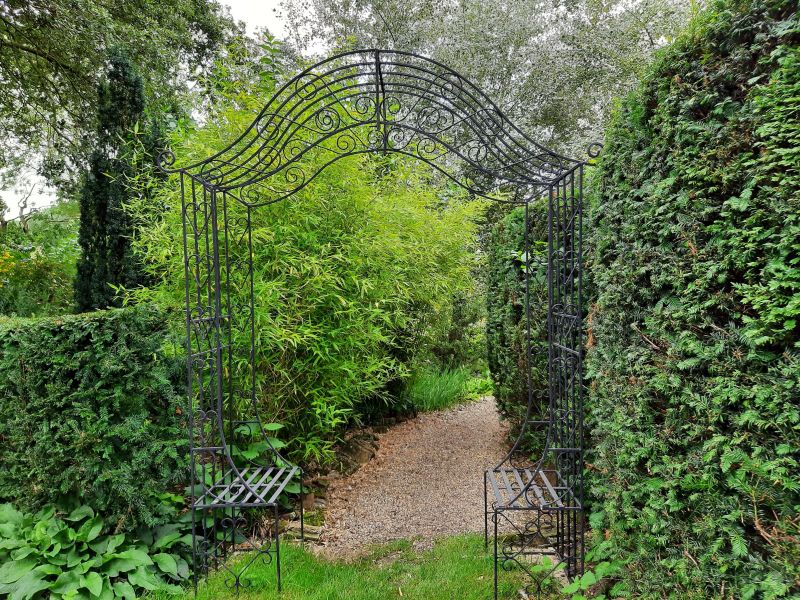
For the red brick Victorian and Edwardian stock that dominates uphill Lincoln and the West End, warm buffs and golden blends are the safe, handsome choice. Grey and silver blends suit the rendered and modern brick homes of the newer estates. Darker blends hide leaf staining better - worth thinking about if your garden sits under mature trees, as many do in older Lincoln suburbs.
We've covered colour selection in detail in our guide to choosing resin driveway colours and aggregates in Lincoln, and the same logic applies to patios - if anything more so, because you look at a patio from the kitchen window every day.
Paths, steps, and curves
Resin's real design advantage over slabs is that it pours. Curved paths that would need dozens of cuts in paving flow naturally in resin, and existing concrete steps can be overlaid for a matching finish. For garden paths, 1-1.2m width is the practical minimum; anything narrower feels mean and costs nearly the same once minimum charges apply.
Ground Preparation on Lincoln's Clay
The base determines everything. Resin bound surfacing is only 12-18mm thick - patios and paths are typically laid at 12-15mm, slightly thinner than driveways because they carry feet rather than cars - so the surface simply mirrors whatever the base does. On Lincoln's clay, which expands in wet winters and shrinks in dry summers, an inadequate base means cracking within 2-3 years.
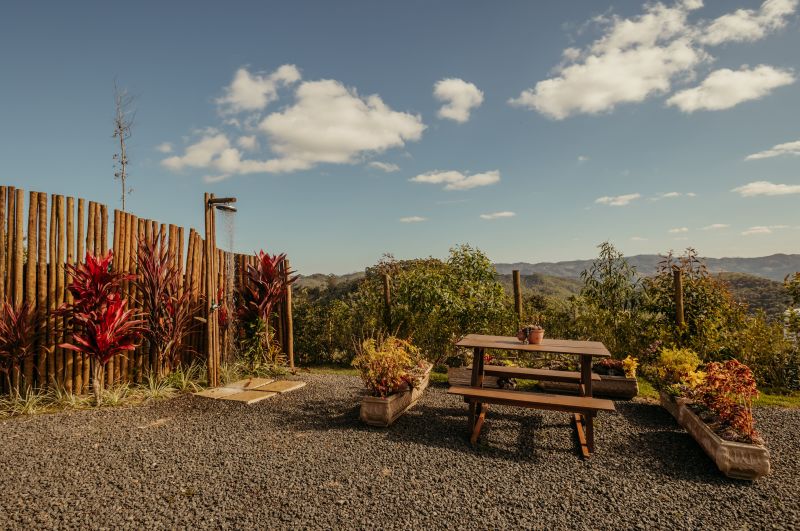
The right specification for a new-build patio base is 100-150mm of compacted permeable sub-base (MOT Type 3 or clean crushed stone), often with a geotextile membrane between the clay and the stone to stop the two mixing. That's shallower than a driveway base because the loads are lighter, but the permeability requirement is identical - a resin surface over an impermeable base just moves the puddle underground, and trapped water plus clay plus frost is exactly the failure mode you're paying to avoid.
Existing concrete or slab patios in sound condition can be overlaid directly, saving £700-£1,200. The test is simple: no rocking slabs, no cracks wider than a pound coin, no sections that pond after rain. An honest installer will tell you within ten minutes of seeing it which category yours falls into.
Weather, Drainage, and the Rules
Lincoln's climate is kinder to resin than most of the UK. The East of England is one of the driest regions in the country - Lincoln sees around 600-650mm of rain a year against a UK average of roughly 1,150mm - so there are plenty of dry installation windows and less standing water stress over the surface's life. The trade-off is exposed winters with 40-50 frost days, but permeable resin handles freeze-thaw well precisely because water drains through rather than sitting and expanding.
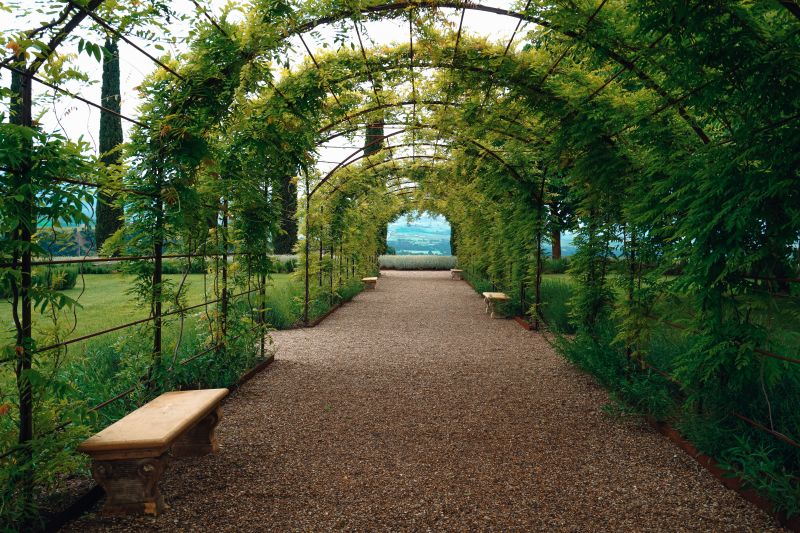
Drainage rules matter less in the back garden than out front, but they're worth knowing. The planning requirement for permeable surfacing applies to front gardens over 5m² - the government's permeable surfacing guidance for front gardens explains the rules - so a resin front path or front patio area sails through automatically. In the back garden there's no permission issue either way, but permeability still earns its keep on clay: every m² of resin patio soaks away roughly 500-650 litres of Lincoln's annual rainfall that would otherwise run off towards your house or your neighbour's fence line.
One caution that applies everywhere in Lincolnshire: resin bonded surfacing - stone scattered over a glued layer - is not permeable and behaves like sealed concrete in the rain. For a patio on clay, insist on resin bound.
Choosing an Installer for Garden Work
Garden resin work attracts more casual operators than driveways do, because the jobs are smaller and the consequences of failure less visible from the street. The vetting is the same, though. Ask for photos of patio and path work specifically, not just driveways - trowelling neat edges around curves, steps, and drainage covers is where skill shows. Ask what depth they lay at (12-15mm minimum for foot traffic) and whether the resin is UV-stable aliphatic; a patio in full sun will yellow within 2-3 years on cheap resin.

Check accreditation before you sign anything. TrustMark, the government-endorsed quality scheme, lets you search registered tradespeople by postcode, and Which? magazine's advice on finding a trader you can trust is worth ten minutes before you accept a quote - their guidance on deposits and written guarantees applies directly to landscaping work. A 10-year written guarantee on materials and workmanship should be the baseline. In Lincoln you have enough installer choice to walk away from anyone who won't put it in writing.
Living With a Resin Patio in Lincoln
Maintenance is light but not zero. Sweep monthly, jet wash once or twice a year on a fan setting, and treat moss annually if the patio is shaded - north-facing gardens under Lincoln's mature trees will see some growth on any surface, resin included. Budget 4-6 hours a year, against the 2-3 weekends a jointed slab patio demands once the weeds take hold.

Furniture needs one habit change: pointy metal chair legs concentrate weight enough to dent resin on a hot day, so use feet caps or choose furniture with flat bases. Barbecue fat and oil stains lift with washing-up liquid and warm water if caught within a day or two. Do that much and a resin patio should look presentable at year 15 and last 20-25 years - roughly double the attractive lifespan of a budget slab patio on Lincoln clay.
---
FAQ
Q: How much does a resin patio cost in Lincoln?
A: Resin bound surfacing costs £40-£70 per m² installed. A standard 15-25m² Lincoln patio runs £1,200-£2,400 on a sound existing base, or £2,500-£4,500 for a larger scheme needing a new sub-base. Small jobs are affected by installer minimum charges of around £800-£1,000.
Q: Can resin be laid over an existing patio in Lincoln?
A: Yes, if the existing concrete or slabs are sound - no rocking, no wide cracks, no ponding. Overlaying saves £700-£1,200 against a full dig-out. On Lincoln's clay soils, heaved or cracked patios should come up and be replaced with a 100-150mm permeable sub-base instead.
Q: Do resin patios get slippery in winter?
A: Less than most alternatives. Because resin bound surfacing is permeable, water drains through rather than pooling, which limits the algae growth that makes Lincoln slab patios slippery on clay ground. Shaded areas still benefit from an annual moss treatment, and an anti-slip additive can be specified at installation.
Q: Do I need planning permission for a resin patio or path in Lincoln?
A: Back garden patios and paths need no permission. Front gardens over 5m² fall under the permeable surfacing rules, which resin bound surfacing meets automatically because it is fully permeable. Resin bonded surfacing is not permeable and is best avoided for front garden areas.
Q: How long does a resin patio last in Lincoln?
A: 20-25 years when laid at 12-15mm over a properly compacted permeable base. On Lincoln's shrink-swell clay, base preparation is the deciding factor - a correctly specified sub-base with a geotextile membrane prevents the ground movement cracking that shortens surface life.
---
You might also like
Resin Driveways Lincoln