Resin Driveways in Boston, Lincolnshire: What's Involved and What It Costs
Boston's position in the Lincolnshire Fens creates specific considerations for driveway installation that don't apply in most of the UK. The town sits in one of the lowest-lying areas in England - much of the surrounding land is below sea level, and the local clay soils have a high moisture content that fluctuates significantly with rainfall. This isn't a reason to avoid resin driveways; it's a reason to make sure the base is correctly specified for the ground conditions.
Why Resin Works Well in Boston
Resin bound aggregate is the most popular new driveway surface across Boston for practical reasons. It's fully permeable, which means it satisfies front garden planning requirements without needing separate drainage solutions - important given Boston's flood-risk context and the sensitivity of the local drainage infrastructure. It's low maintenance, it looks clean and even, and it handles Lincolnshire's weather well when properly installed.
The permeability point matters particularly in Boston. The town and surrounding area is managed by the Environment Agency and Internal Drainage Boards, and local guidance on surface water runoff is more active than in most areas. A permeable driveway surface that allows rainfall to soak into the ground rather than run off into already-stressed drainage systems is the right approach here practically as well as for planning purposes.
Resin Driveways Lincoln installs resin bound driveways across Boston and the wider Lincolnshire area.
Ground Conditions in Boston: What Matters
The Fenland clay that underlies most of Boston's residential areas has a high shrink-swell coefficient - it expands when wet and contracts when dry. This seasonal movement is the main cause of driveway surface cracking, and it's the reason base specification in Boston needs to be taken seriously.
A resin driveway laid directly on a thin or inadequate base in Fenland clay will crack within a few years as the ground moves beneath it. The correct approach is a properly compacted sub-base of MOT Type 1 granular material, at sufficient depth for the ground conditions - typically 150-200mm in standard conditions, potentially more where the clay layer is particularly active.
An experienced installer will assess the existing ground and base before quoting, not assume standard specification is appropriate.
The Installation Process

The key stages are the same as any resin installation: existing surface assessment, base preparation where needed, mixing of UV-stable resin with natural stone aggregate, and application to the prepared surface at 15-18mm depth.
Where Boston properties have existing tarmac or concrete in sound condition, resin can be applied over the top. Where the existing surface has cracked, heaved, or is on an inadequate sub-base, it needs to come up and a new base be laid first.
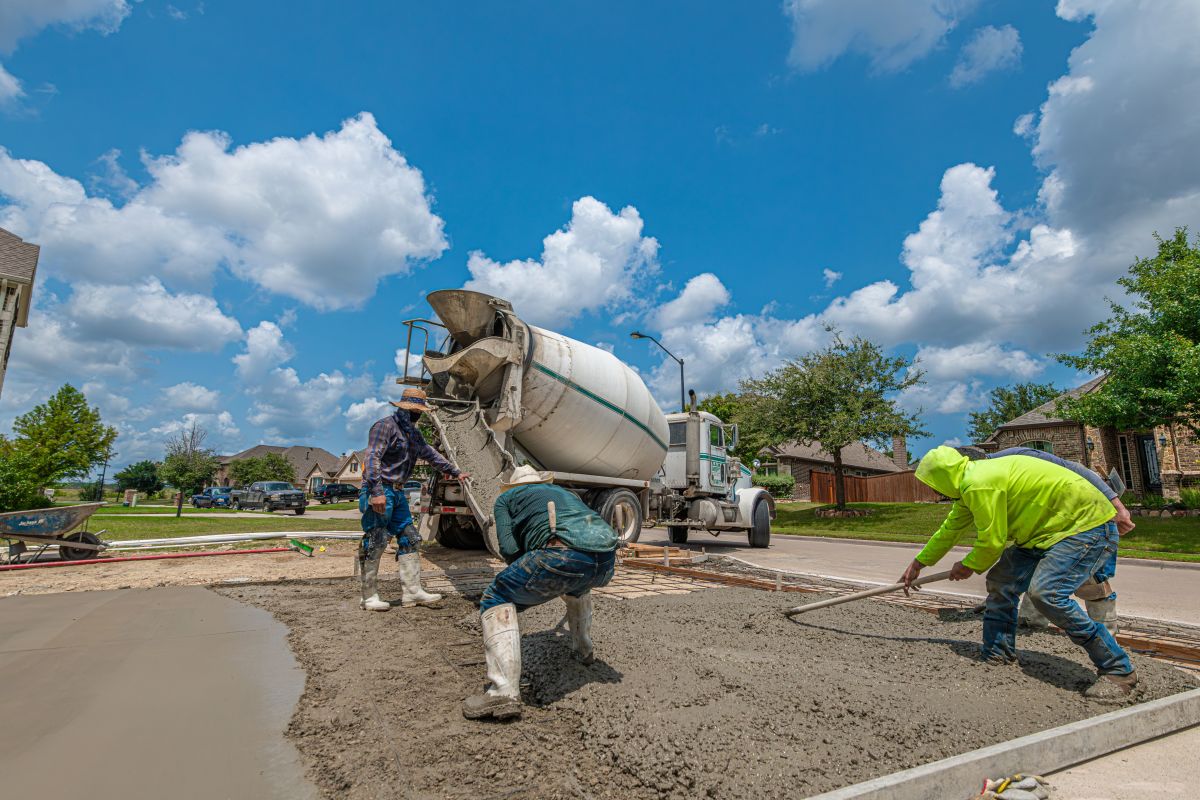
Working time once the resin is mixed is short - the material has a limited open time before it sets. Installation is done in sections by teams working in sequence rather than by a single person.
Aggregate Choices for Boston Properties
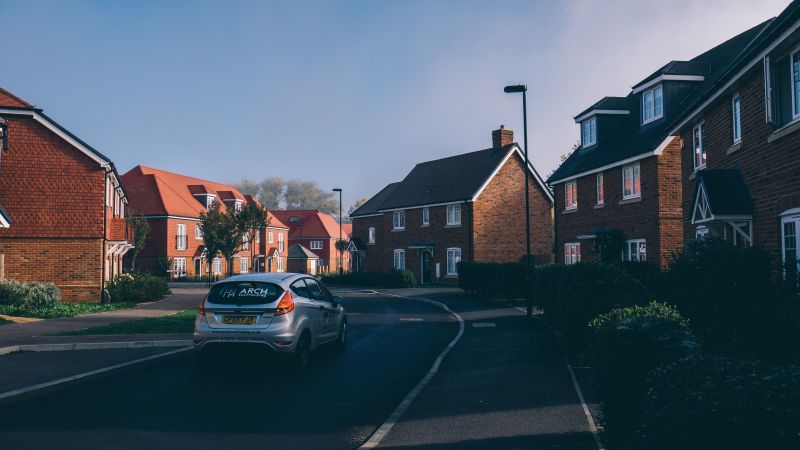
Boston's housing stock - a mix of Victorian and Edwardian red brick in the town centre, interwar housing, and more modern estates - suits the mid-range natural aggregate colours best.
Buff and golden aggregates complement the red brick of Boston's older housing and suit most rendered finishes. Warm mixed aggregates with quartz and natural stone give a varied, natural appearance. Grey and grey-brown aggregates suit modern build properties and give a clean, neutral look.
The wide flat landscape around Boston means driveways are visible from distance, and aggregate colour has more visual impact here than it might in an urban area with close neighbouring buildings.
We've covered aggregate selection in detail in our Lincoln resin driveway colours guide, which applies equally to Boston properties and covers how to match aggregate to brick and render colours common in Lincolnshire.
What a Resin Driveway Costs in Boston
Standard residential driveway, 20-40m², existing sound base: £1,700 - £3,000.
Same area, new permeable sub-base required: £2,400 - £4,200.
Larger driveway, 40-60m²: £2,800 - £5,000.
Resin footpath or pathway, 1m wide, 10m length: £500 - £1,000.
Boston prices are broadly in line with the wider Lincolnshire market, though properties with complicated access, restricted working space, or ground conditions that need additional base depth may see higher quotes.
FAQ
Q: Do Boston's ground conditions cause problems for resin driveways?
Fenland clay has significant shrink-swell movement that can crack a resin surface if the base isn't correctly specified. The solution is a properly compacted sub-base of adequate depth for the ground conditions - a reputable installer will assess this before quoting rather than assuming standard specification applies.
Q: Is resin bound permeable?
Yes - resin bound aggregate is fully permeable. Water passes through the surface between the aggregate pieces. This satisfies front garden drainage requirements automatically, which is particularly relevant in Boston's flood-sensitive context.
Q: Do I need planning permission for a resin driveway in Boston?
A resin bound driveway is fully permeable and satisfies the drainage requirement for front garden surfaces, so it doesn't require planning permission from South Holland District Council or Boston Borough Council for most standard installations.
Q: How long does a resin driveway last in Boston?
A well-installed resin bound driveway on a correctly specified sub-base should last 15-25 years. In Boston, base quality is the critical factor - Fenland clay ground movement on an inadequate base will shorten the surface life significantly.
Q: Can resin be laid over existing concrete or tarmac in Boston?
Yes, where the existing surface is structurally sound and well-drained. Where the existing base has cracked or heaved - which is common in Fenland clay areas - it's better to remove it and start with a new sub-base rather than trap the problem underneath a new surface.
You might also like
Resin Driveways Lincoln