How Resin Bound Driveways Are Installed: Step-by-Step Guide
Resin bound driveways have grown in popularity among homeowners looking for a surface that combines visual appeal with long-term performance. Their clean, contemporary finish and durable structure make them suitable for driveways, pathways, and patios. One of the key advantages of this type of surface is its permeability, which allows rainwater to drain naturally through the material. This makes resin bound systems compliant with SuDS (Sustainable Drainage Systems) regulations in many cases across the UK.
A successful installation depends on careful preparation and attention to detail at every stage. Understanding how the process works can help homeowners make informed decisions, plan budgets effectively, and ensure realistic expectations regarding timescales.

Initial Assessment and Planning
Choosing Materials for the Driveway
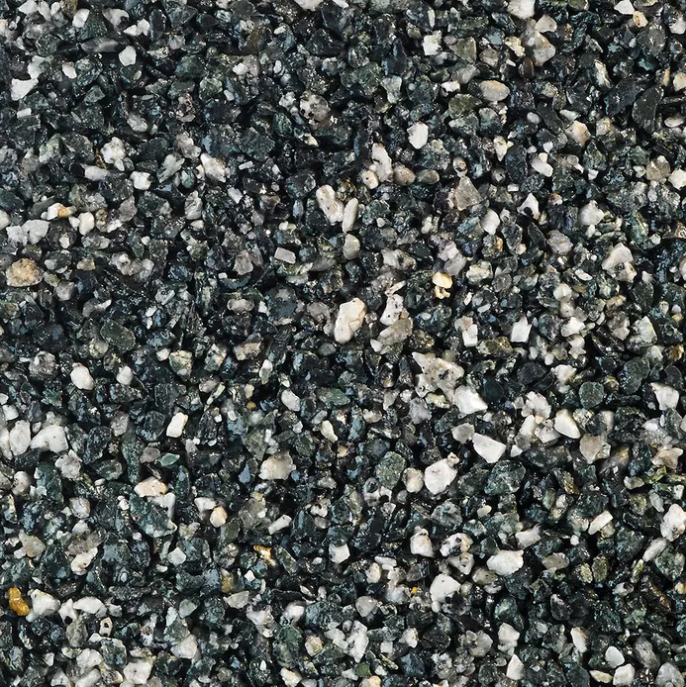
Resin bound driveways are available in a variety of colours and stone blends, offering flexibility when it comes to design. Natural aggregates can be selected to complement the exterior appearance of the property.
It is generally recommended to use UV-stable resin, as this helps preserve the colour of the driveway and reduces the likelihood of discolouration over time. The aggregate used will also influence the texture of the surface, with certain blends providing improved grip, which can be beneficial in wet weather conditions.
Preparing the Base
A strong foundation is essential for ensuring the durability of a resin bound driveway. In many cases, an existing concrete or tarmac surface can be used as a suitable base if it is in good condition.
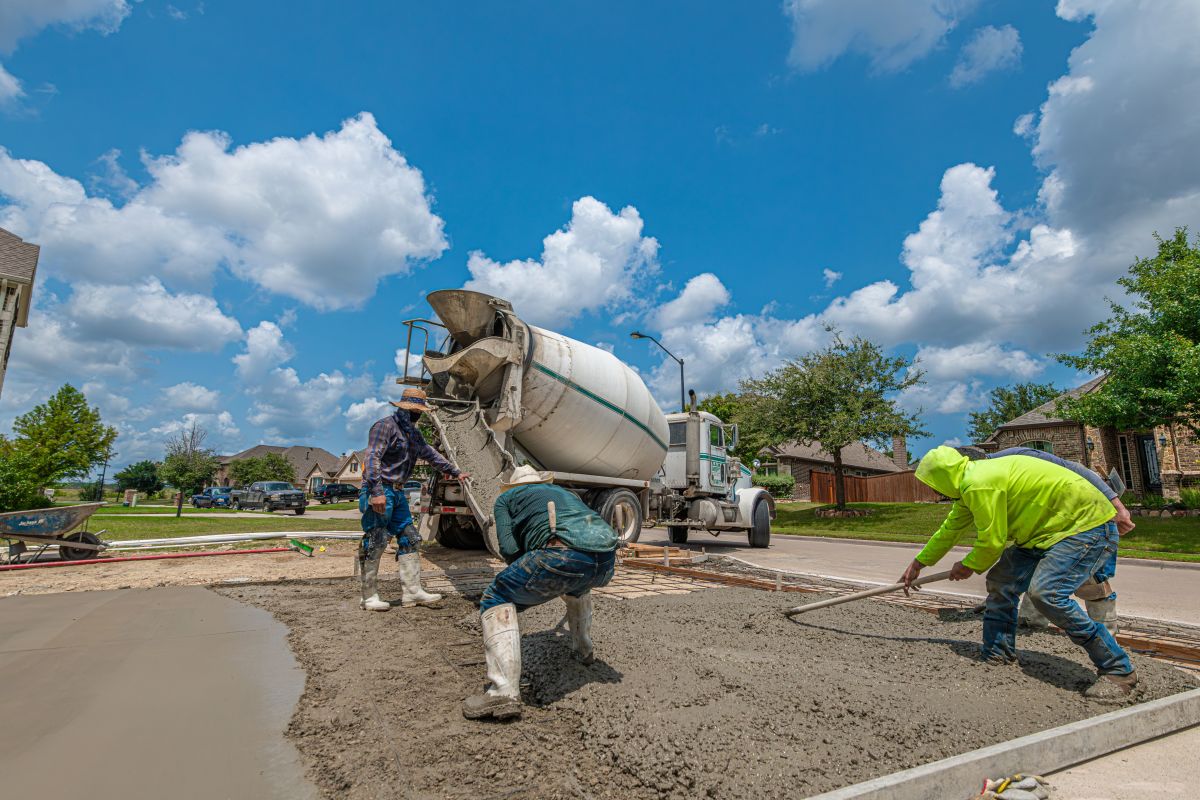
If the current surface is uneven or deteriorated, it may need to be removed and replaced. Ground preparation may involve excavation and the installation of a sub-base material such as MOT Type 1. This layer provides stability and helps prevent movement over time. Ensuring the base is level is crucial for achieving a smooth and even finish once the resin is applied.
Edging is installed to create a clear boundary and help keep the resin mixture securely in place. Edging materials can vary depending on the design preference, with options including brick, stone, or metal.
Effective drainage planning is also essential. A slight gradient is often introduced to allow water to flow away from the surface. Because resin bound driveways are permeable, water can pass through the material, helping to reduce the risk of standing water. Proper drainage helps protect the structure beneath the surface and contributes to a longer lifespan.
Mixing the Resin and Aggregate
The resin and aggregate are carefully combined to create a consistent mixture. Achieving the correct ratio is important for ensuring the strength and durability of the finished surface.
Professional equipment is typically used to ensure the materials are mixed evenly. Once combined, the curing process begins, so the mixture must be applied promptly. Careful timing helps ensure an even distribution of materials and prevents weak areas forming within the surface.
Applying the Resin Surface
The prepared mixture is spread across the base and levelled carefully to create a smooth and seamless finish. Skilled installers ensure the surface is applied evenly, maintaining a consistent thickness of approximately 15–20mm.
Attention to detail during this stage helps ensure the driveway is both visually appealing and structurally sound. Proper application also reduces the likelihood of future cracking or uneven wear.
Curing and Setting the Driveway
After installation, the surface must be left to cure fully. Typically, the driveway can be walked on within several hours, while vehicles can usually use the surface after 24–48 hours.
Weather conditions can influence how quickly the resin sets, with lower temperatures sometimes extending curing times. Avoiding heavy traffic until the surface has completely hardened helps ensure the best possible results.
Advantages of Resin Bound Driveways
Resin bound driveways offer several practical benefits. They are known for being low maintenance, as the surface helps reduce weed growth and is less prone to cracking compared to some traditional paving options.
Because the material is permeable, water drains effectively, helping to prevent puddles from forming. A wide selection of colours and finishes allows homeowners to customise the appearance of their driveway to suit their property.
When installed correctly, resin bound driveways provide a durable and attractive solution that can last for many years.
Conclusion
Choosing a resin bound driveway can be a worthwhile investment for homeowners looking to improve both the appearance and functionality of their outdoor space. The key to achieving a high-quality result is ensuring the installation process is carried out correctly, particularly when it comes to groundwork and drainage.
Selecting an experienced installer and understanding the stages involved can help ensure the project runs smoothly. With proper installation and care, a resin bound driveway can provide a reliable and visually appealing surface for the long term.
You might also like
Resin Driveways Lincoln